

Launching a book successfully isn’t about luck—it’s about strategy. Whether you’re publishing your debut novel or your tenth nonfiction title, the first week after release can make or break your book’s long-term performance. This guide walks you through a proven, step-by-step launch plan and explains exactly how to secure early reviews that fuel visibility, credibility, and sales.
Step 1: Plan Your Launch Timeline Early
The best launches start weeks before release day. Ideally, give yourself 4–6 weeks to prepare.
-
Finalize your book assets. Have your eBook and paperback files uploaded to Amazon KDP, with metadata (title, subtitle, keywords, and categories) carefully optimized for search.
-
Set your publication date. A future release date allows you to build anticipation while still giving reviewers time to read ARCs (Advance Review Copies).
-
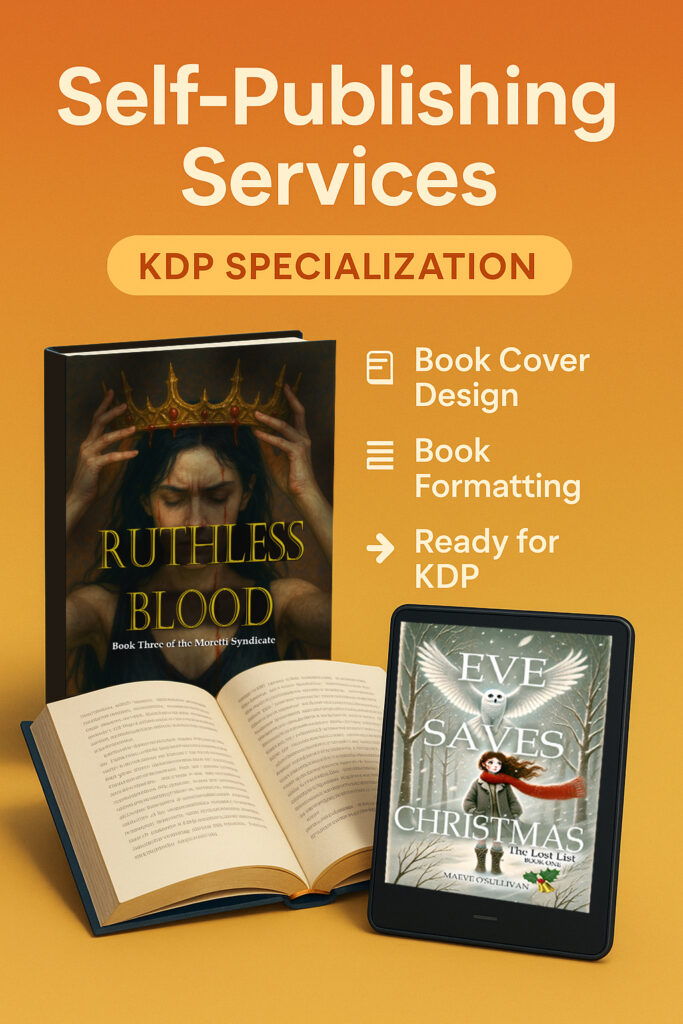
Design strong visuals. Create an eye-catching cover and branded social media graphics for Instagram, Facebook, and Pinterest. A consistent visual identity builds recognition fast.
Pro tip: Use Amazon’s “pre-order” feature for eBooks to collect early sales before launch day and improve your sales rank out of the gate.
Step 2: Build a Pre-Launch Buzz
Visibility starts before your book is even out. Use this time to create intrigue and conversation.
-
Leverage your existing audience. Send teasers to your email list, share cover reveals, and post sneak peeks of your first chapter.
-
Create an ARC team. Recruit early readers—bloggers, reviewers, and loyal fans—to read and review your book. You can find them through Facebook reader groups, BookSirens, or your own website mailing list.
-
Reach out to influencers and niche reviewers. If your book fits a specific genre, target reviewers who already cover similar titles. Personalized outreach works better than mass emails.
Step 3: Optimize Your Amazon Page
Your Amazon page is your digital storefront. Make it irresistible.
-
Write a magnetic book description. Use short, engaging paragraphs and bold hooks that highlight what readers will gain or feel.
-
Add backend keywords. You have seven keyword boxes—fill them strategically to boost your book’s discoverability.
-
Select your categories carefully. Aim for specific, less competitive subgenres where your book can hit the Top 100 faster.
A strong page with professional formatting, visuals, and keyword-rich copy can convert browsers into buyers instantly.
Step 4: Launch Day Strategy
When launch day arrives, focus on activity and engagement.
-
Announce everywhere. Send an email blast to your subscribers and post across all social channels with a clear call to action (link to your Amazon page).
-
Encourage verified purchases. Ask your ARC readers and friends to buy the eBook for $0.99 or the paperback at launch—this helps boost your verified review count.
-
Engage in real time. Reply to comments, share screenshots of milestones (“#1 New Release” badges, review snippets), and keep the conversation going.
Step 5: Secure Your First Reviews Quickly
Early reviews are essential for credibility. They influence both algorithms and reader trust. Here are two methods to generate them within days of release:
1. Build an ARC-to-Review Pipeline
Send advance copies to readers before launch, and follow up after release with a polite, direct reminder to post their review on Amazon and Goodreads. Provide a short, simple message like:
“If you enjoyed the book, a short Amazon review would mean the world—it helps other readers discover it!”
2. Use Reader Review Services
Sites like BookSprout, BookSirens, and Hidden Gems connect you with legitimate reviewers who specialize in your genre. Always ensure reviews are honest and voluntary—Amazon strictly prohibits incentivized or paid reviews.
Step 6: Keep Momentum After Launch
A great launch doesn’t stop after day one. Continue promoting and gathering reviews through:
-
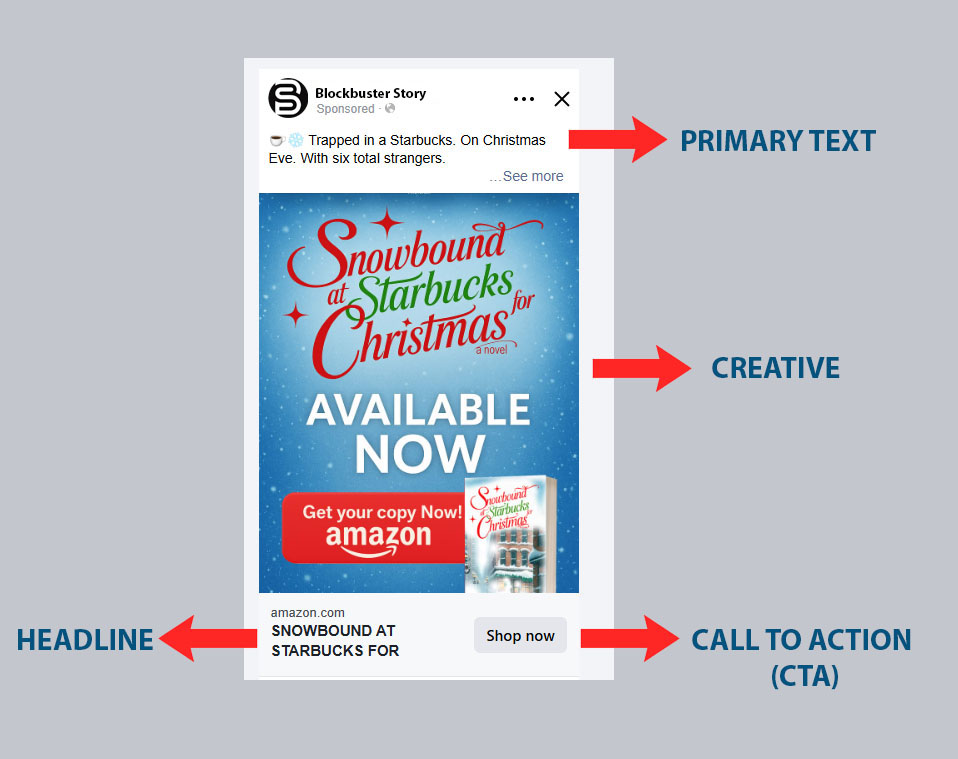
Amazon Ads. Run low-budget auto and keyword campaigns to maintain visibility.
-
Social proof posts. Share snippets of positive reviews and reader photos to reinforce credibility.
-
Author newsletter follow-ups. Share “behind the scenes” stories or bonus content to keep readers engaged and loyal.
Consistency keeps your book ranking higher and selling longer.
Step 7: Turn Your Launch into Long-Term Profit
When you combine early sales with a steady trickle of reviews, your book gains algorithmic traction. That means more organic visibility on Amazon’s “Customers Also Bought” and “Recommended” sections.
Over time, this creates a flywheel effect: visibility → reviews → credibility → more visibility.
To scale this success, apply what you’ve learned to future releases—each launch builds upon the last.
A successful book launch isn’t about chasing luck; it’s about building a system.
With a structured pre-launch plan, a well-optimized product page, and an intentional review strategy, you can generate both immediate sales and lasting visibility.
Start preparing your next launch now—every great author knows momentum begins long before release day.
Before you launch, make sure your cover grabs attention — it’s your first impression on Amazon. 👉 Learn how to design a book cover that sells.