
There was a time when books lived quietly on shelves and screen adaptations were treated like side projects. A novel might get a film years later, sometimes well, sometimes badly, and most of the time with little connection to the original readership.
That world is gone.
Today, a Netflix adaptation can take a book from niche readership to global obsession in a matter of days. It doesn’t just increase sales. It reshapes how the story is understood, shared, and even written.
We’re no longer talking about “book adaptations.” We’re talking about full entertainment ecosystems built around novels.
And no company has pushed that shift further than Netflix.
The New Reality: Books Are Now IP First, Stories Second
One of the biggest changes in modern publishing is how books are evaluated before they even reach readers.
A book is no longer just a standalone story. It is often viewed as potential intellectual property (IP).
That means publishers, agents, and studios are asking:
- Can this become a series?
- Does it have franchise potential?
- Are the characters expandable?
- Could this world support multiple seasons?
This shift has quietly changed what kinds of books get attention in the first place.
Stories with visual worlds, strong emotional arcs, and serialized structures are now more attractive than one-off literary narratives.
And Netflix sits right at the center of this ecosystem.
Why Netflix Became the Dominant Book Adaptation Machine
To understand why Netflix is so influential in turning books into global franchises, you have to look at how it operates differently from traditional studios.
Unlike traditional film studios that focus on one-off box office hits, Netflix builds long-term content libraries.
That changes everything.
When Netflix adapts a book, it is not just making a movie. It is building:
- A bingeable series
- Multiple seasons (if successful)
- Global distribution instantly
- Algorithm-driven recommendations
- Built-in audience targeting
A book is no longer just “optioned.” It is integrated into a global content system.
This is why adaptations feel more like cultural events than simple releases.
The Netflix Effect: How a Book Becomes a Global Phenomenon
The process usually follows a recognizable pattern:
1. A Book Gains Organic Traction
Sometimes through BookTok, sometimes through literary buzz, sometimes through niche fandoms.
2. Netflix Acquires Adaptation Rights
The platform identifies strong narrative potential and visual adaptability.
3. Production Builds a Visual World
Casting, set design, tone, and pacing are optimized for binge viewing.
4. Trailer Drops → Instant Global Attention
Even readers who never heard of the book become curious.
5. The Book Surges in Sales
Bookstores, Amazon, and online retailers see spikes.
6. New Audience Discovers the Original Story
Viewers become readers, and readers become viewers.
This loop is powerful because it works in both directions.
A book can fuel a show, and a show can resurrect a book.
Bridgerton: The Blueprint for Modern Book-to-Screen Success
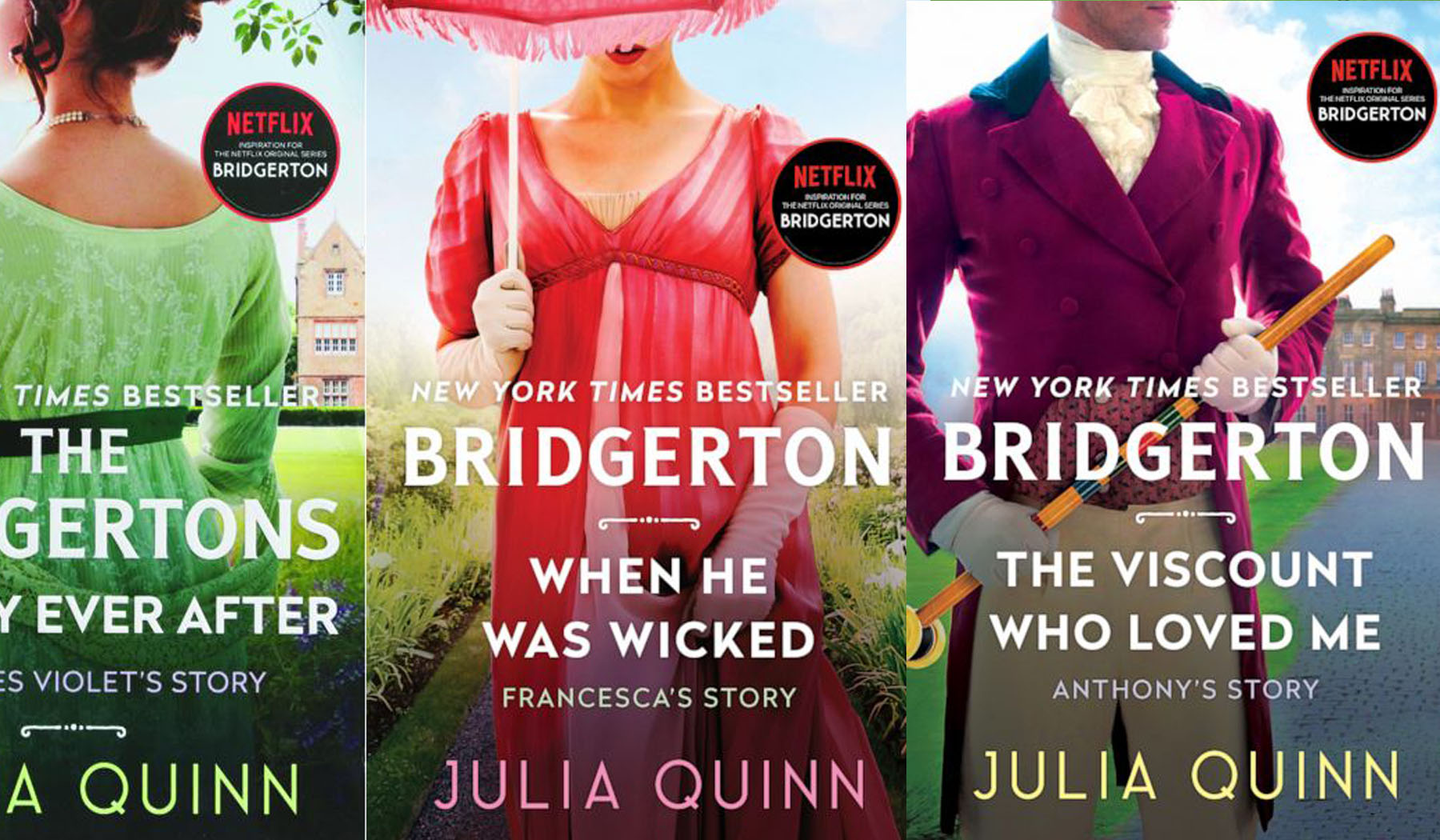
If there is one example that defines the Netflix book adaptation era, it is Bridgerton.
Originally a romance book series by Julia Quinn, Bridgerton was already successful within its genre. But when Netflix adapted it, the impact went far beyond publishing.
It became:
- A global fashion aesthetic
- A social media trend engine
- A soundtrack phenomenon
- A gateway into romance fiction for millions of new readers
Suddenly, historical romance was not niche anymore. It was mainstream entertainment.
Book sales surged. Romance shelves expanded. And publishers began actively searching for similar “adaptable” series.
The key lesson from Bridgerton is simple:
A well-adapted book doesn’t just sell copies. It reshapes a genre.
The Queen’s Gambit: When a Novel Revives an Entire Subculture
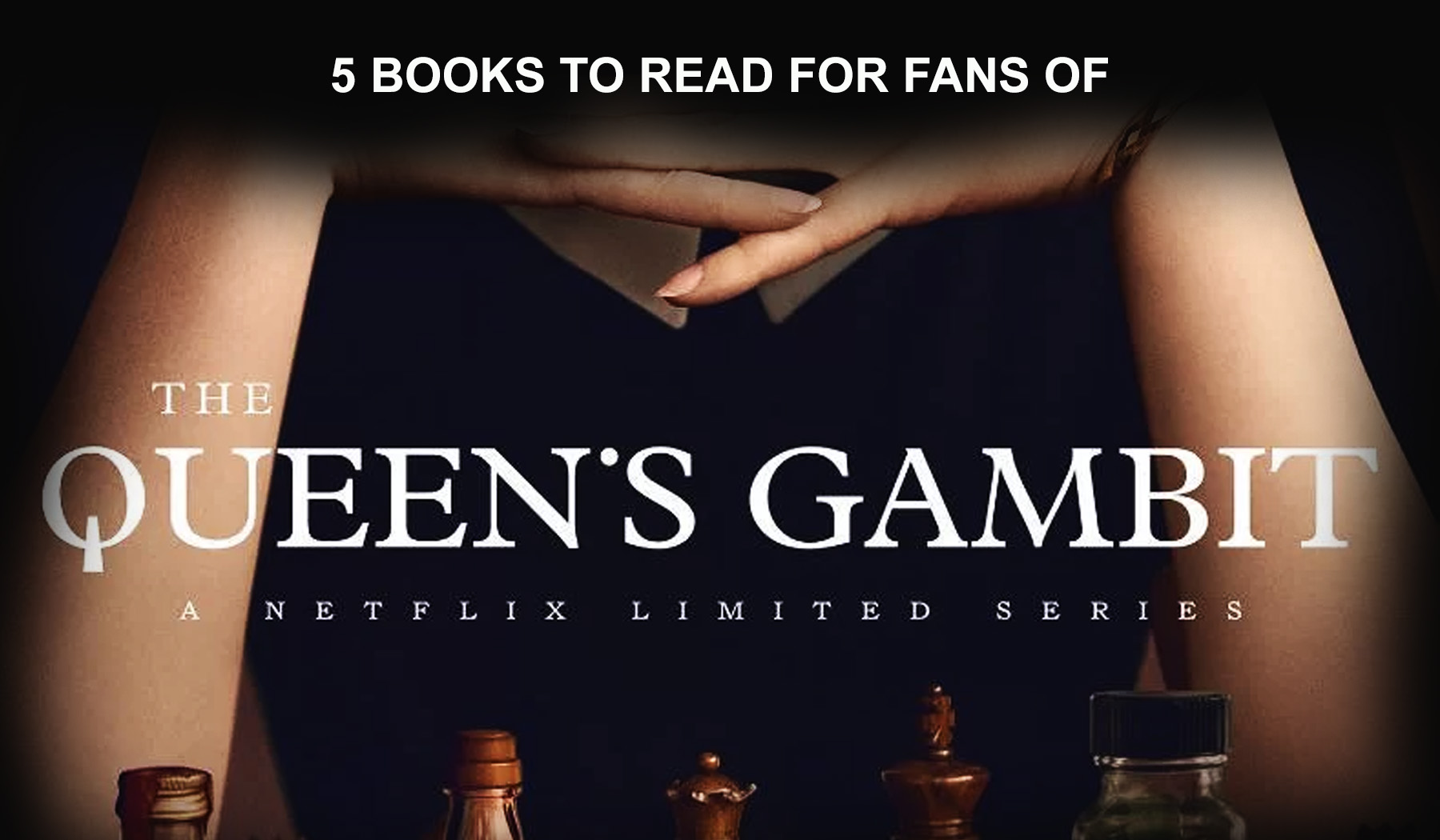
Another major example is The Queen’s Gambit, based on the novel by Walter Tevis.
On the surface, it is a story about chess. But the Netflix adaptation turned it into something much larger.
After its release:
- Chess board sales increased globally
- Online chess platforms saw record growth
- Fashion inspired by the show became viral
- The book returned to bestseller lists decades after publication
This is what makes Netflix adaptations different. They don’t just entertain. They activate real-world behavior.
A book becomes a cultural trigger.
Why Streaming Platforms Love Books as Source Material
Books are incredibly valuable to streaming platforms for one major reason: structure.
A strong novel already contains:
- Characters with arcs
- Built-in pacing
- Emotional progression
- World-building
- Dialogue and narrative flow
For a streaming platform, this reduces risk.
Instead of creating a story from scratch, they are adapting something that already works.
But there is another reason:
Audiences trust books.
When viewers know a show is based on a bestselling novel, there is already a perception of quality attached to it.
That trust matters in an overcrowded entertainment market.
How Netflix Changes the Way Books Are Written
Here’s where things get interesting.
Netflix doesn’t just adapt books. It influences how books are created.
Writers and publishers are now more aware than ever of what translates well on screen.
This has led to a subtle shift in storytelling:
- More cinematic scenes
- Faster pacing
- Strong visual descriptions
- Episodic structure inside novels
- Clear “season-like” arcs
In some cases, books are even being developed with adaptation in mind from the beginning.
This doesn’t mean creativity is disappearing. It means storytelling is becoming more hybrid.
Books are now written with both readers and viewers in mind.
BookTok + Netflix: The New Power Couple
One of the most important developments in modern publishing is the relationship between BookTok and Netflix.
They reinforce each other.
BookTok does this:
- Creates viral awareness of books
- Builds emotional hype
- Drives early sales spikes
Netflix does this:
- Expands audience globally
- Turns books into visual events
- Sustains long-term cultural relevance
Together, they create a feedback loop:
BookTok finds the book → Netflix adapts it → BookTok reacts to the show → Book sales increase again
This loop can keep a title relevant for years instead of months.
Why Some Books Get Adapted and Others Don’t
Not every book has Netflix potential.
Certain traits make a story more likely to be adapted:
1. Strong visual world
If a story can be easily imagined on screen, it has an advantage.
2. Emotional intensity
Stories that create strong emotional reactions perform better.
3. Series potential
Standalone novels are less attractive than multi-book arcs.
4. Character-driven storytelling
Viewers connect more deeply with character evolution than abstract themes.
5. Genre appeal
Fantasy, romance, thriller, and dystopian fiction dominate adaptations.
This is why genres like romantasy have exploded recently. They are naturally suited for streaming adaptation.
The Risk: When Books Start Writing for Screens
There is a downside to this evolution.
When authors begin writing with adaptation in mind, certain risks appear:
- Stories may become overly cinematic and less literary
- Market-driven decisions can limit creative experimentation
- Complex internal narratives may be simplified for visual translation
There is also the issue of hype pressure.
Once a book becomes “Netflix material,” expectations rise dramatically. Fans expect perfection, and adaptations rarely meet everyone’s vision.
This creates tension between readers, viewers, and creators.
Are We Entering a Post-Book Era or a Book Renaissance?
Despite all these changes, books are not disappearing.
In fact, they are becoming more central to entertainment culture than they have been in years.
The difference is that books are no longer isolated.
They are part of a larger ecosystem that includes:
- Streaming platforms
- Social media
- Fan communities
- AI-driven recommendation systems
- Global publishing networks
Books are not losing relevance. They are gaining new pathways into culture.
A story can now exist as:
- A novel
- A viral TikTok trend
- A Netflix series
- A global fandom
That level of multi-platform storytelling did not exist before.
The Future: Books as Global Entertainment Engines
Looking ahead, the relationship between books and streaming platforms will only deepen.
We are moving toward a world where:
- Books are developed with multi-season adaptation potential
- Streaming platforms co-produce novels
- AI helps identify “adaptation-ready” manuscripts
- Readers discover books through visual platforms first
- Stories exist across multiple formats simultaneously
In this environment, the definition of “reading” itself is expanding.
A book is no longer just something you read.
It is something you experience across formats.
Netflix didn’t just change how we watch stories.
It changed how stories are valued in the first place.
Books are no longer quiet cultural objects waiting for discovery. They are active participants in global entertainment systems.
And in many cases, they are the starting point.
The most powerful franchises today don’t begin with a script.
They begin with a book.