
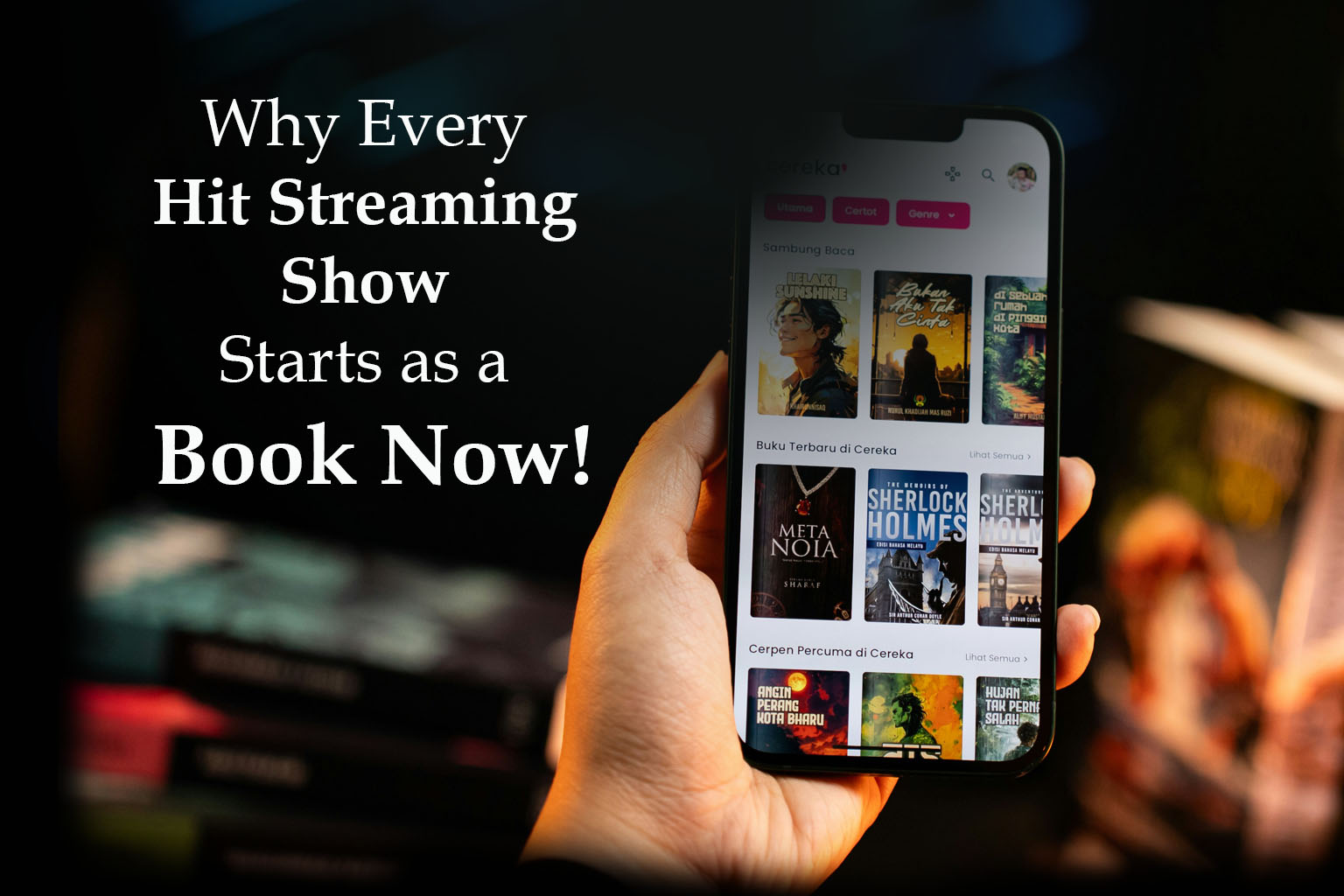
Open Netflix, HBO Max, or Amazon Prime today and one thing becomes obvious very quickly: books are everywhere.
Some of the biggest streaming hits of the past decade started as novels, memoirs, comics, or graphic novels before becoming binge-worthy series watched by millions around the world.
From fantasy epics and psychological thrillers to romance dramas and dystopian stories, streaming platforms are increasingly relying on books as the foundation for modern entertainment.
This is not an accident.
Books have become Hollywood’s favorite source material because they already contain what streaming platforms desperately need: loyal audiences, emotional storytelling, expandable worlds, and long-term franchise potential.
The age of original blockbuster screenwriting is fading. The age of book-based entertainment is exploding.
Why Streaming Platforms Depend on Books More Than Ever
The streaming wars completely changed Hollywood.
Platforms like Netflix, HBO, Amazon Prime, Apple TV+, and Disney+ are in constant competition for attention. They need endless content to keep subscribers watching.
But creating entirely original stories is risky and expensive.
Books reduce that risk.
A successful novel already offers:
- Proven audience interest
- Built-in storytelling structure
- Established characters
- Emotional arcs
- Fan communities
- Franchise possibilities
For streaming companies, adapting books is one of the safest investments in entertainment.
Instead of gambling on unknown concepts, they build from stories that already connected with readers.
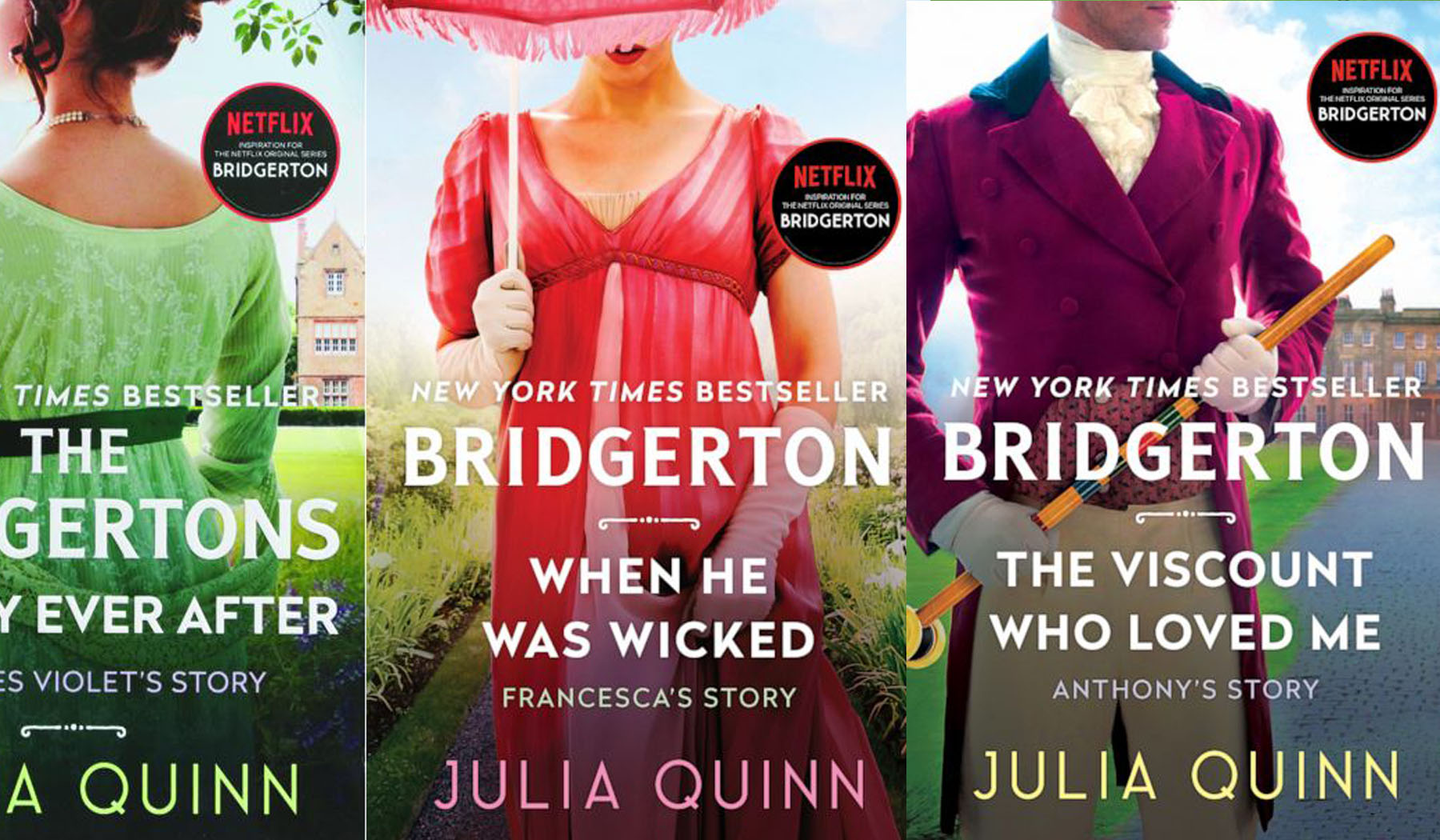
Books Come With Built-In Fanbases
One of the biggest reasons books dominate streaming adaptations is simple: readers are passionate.
When a novel becomes popular, it creates a ready-made audience eager to watch the adaptation.
This gives streaming platforms a massive advantage before production even begins.
Fans generate:
- Social media buzz
- Free marketing
- Reaction videos
- Fan casting discussions
- Online theories and speculation
By the time a trailer drops, the audience already exists.
That kind of organic excitement is difficult to manufacture with completely original content.
Streaming Platforms Need Long-Form Storytelling
Books naturally fit the streaming model because both thrive on long-form storytelling.
Traditional movies often struggle to fully adapt complex novels in two hours. Streaming series changed that.
Now stories can unfold across:
- Multiple episodes
- Multiple seasons
- Expanded character arcs
- Detailed world-building
This format works perfectly for books.
Fantasy novels, thrillers, romance sagas, and dystopian series all benefit from slower storytelling that allows viewers to become emotionally invested.
Streaming platforms realized that books provide the perfect blueprint for binge-worthy television.
Fantasy and Romance Became Gold Mines
Some genres perform especially well in streaming adaptations.
Fantasy has become one of the most valuable categories because it creates immersive worlds audiences want to return to repeatedly.
Series inspired by fantasy novels often include:
- Deep lore
- Expansive universes
- Strong fan cultures
- Merchandising potential
- Multi-season storytelling
Romance has also exploded in popularity.
Shows centered around emotional tension, relationships, and dramatic storytelling consistently perform well because audiences become deeply attached to characters.
When fantasy and romance combine, the results are even more powerful.
This helps explain the rise of romantasy adaptations and the growing interest in emotionally intense fiction.
BookTok Changed Hollywood’s Attention Span
TikTok, especially BookTok, dramatically changed how streaming companies discover stories.
In the past, studios relied heavily on:
- Literary agents
- Bestseller lists
- Industry buzz
Now they also watch social media trends.
A viral BookTok title signals something important:
people are emotionally invested.
If readers are filming emotional reactions, discussing characters nonstop, and driving massive online engagement, streaming platforms see potential.
BookTok became a live testing ground for adaptation-ready stories.
In many ways, TikTok now functions like a global focus group for Hollywood.
Why Adaptations Feel Bigger Than Ever
Modern adaptations are no longer treated like side projects.
Streaming platforms build entire marketing campaigns around them.
A successful adaptation can generate:
- Viral clips
- Fashion trends
- Soundtrack popularity
- Fan edits
- Merchandise sales
- Tourism interest
- Massive online communities
The adaptation becomes more than a show.
It becomes an event.
This is why modern book adaptations feel culturally larger than older versions from past decades.
They are integrated into internet culture from the beginning.
The “Cinematic Book” Is Changing Publishing
Streaming culture is also influencing how books are written.
Many modern novels now feature:
- Faster pacing
- Visual descriptions
- Episodic chapter structures
- Cliffhangers
- Dialogue-heavy storytelling
Authors and publishers understand that cinematic storytelling increases adaptation potential.
This doesn’t mean books are becoming worse. It means storytelling styles are evolving alongside entertainment habits.
Readers raised on streaming platforms often prefer stories that feel immersive and visually dynamic.
Publishing adapted to that demand.
Why Original Screenplays Struggle More Today
There was a time when original scripts dominated Hollywood.
Today, they face much steeper challenges.
Original stories must:
- Build audiences from scratch
- Introduce unfamiliar worlds
- Convince viewers to care immediately
Books skip many of those hurdles.
Readers already know the world, the characters, and the emotional stakes.
That familiarity gives streaming platforms confidence in a crowded entertainment landscape.
Adaptations also reduce marketing costs because online communities often promote the projects themselves.
The Rise of Multi-Platform Storytelling
Modern stories rarely stay confined to one format anymore.
A successful book may become:
- A streaming series
- A fandom community
- A social media trend
- A merchandise brand
- A video game
- A soundtrack phenomenon
Stories now exist across platforms simultaneously.
This creates stronger emotional attachment and longer cultural relevance.
Books became the ideal starting point because they provide rich narrative foundations that can expand into larger entertainment ecosystems.
Why Readers and Viewers Want Different Things
One interesting challenge with adaptations is that readers and viewers often expect different experiences.
Readers may want:
- Faithfulness to the source material
- Detailed character depth
- Internal emotional complexity
Streaming audiences may prefer:
- Faster pacing
- Visual spectacle
- Simplified storytelling
Balancing those expectations is difficult.
Some adaptations succeed because they capture the emotional spirit of the book rather than copying every detail exactly.
Others fail because they misunderstand what readers loved in the first place.
Are Books Becoming More Important Than Movies?
Ironically, in the streaming era, books may be becoming more culturally valuable than ever before.
Not because everyone suddenly became literary, but because books are now seen as idea generators for the entertainment industry.
A strong novel can fuel:
- Streaming content
- Global fandoms
- Long-term franchises
- Online discourse
- Merchandise ecosystems
Books are no longer isolated artistic products.
They are entertainment engines.
And that shift is transforming publishing, Hollywood, and pop culture all at once.
The Future of Streaming Will Be Built on Books
The relationship between books and streaming platforms is only getting stronger.
In the future, we will likely see:
- More publishers partnering directly with studios
- AI identifying adaptation-ready manuscripts
- Streaming companies developing books internally
- Authors writing with multi-platform expansion in mind
- More interactive storytelling connected to books
Books are becoming the raw material for global entertainment.
That trend is not slowing down anytime soon.
Every major entertainment era has a dominant storytelling source.
For decades, Hollywood relied heavily on original scripts and blockbuster concepts.
Today, streaming platforms increasingly look toward books.
Why?
Because books already contain what audiences crave:
emotion, depth, character investment, and worlds worth escaping into.
The future of streaming is not just visual.
It starts on the page.